A short call. No pitch, and nothing to decide on the spot.
Why Legacy Liberty
Everyone Asks What Makes a Deal Big. We Ask What Breaks It.
Jesse watched $3M disappear in one morning in 2007. Every deal we consider starts with the downside, and only moves forward if the cash flow still holds.
Our focusApartment communities of 30 to 100 units, in markets with strong fundamentals.
In a crisis, you don't rise to the occasion. You fall to your process.
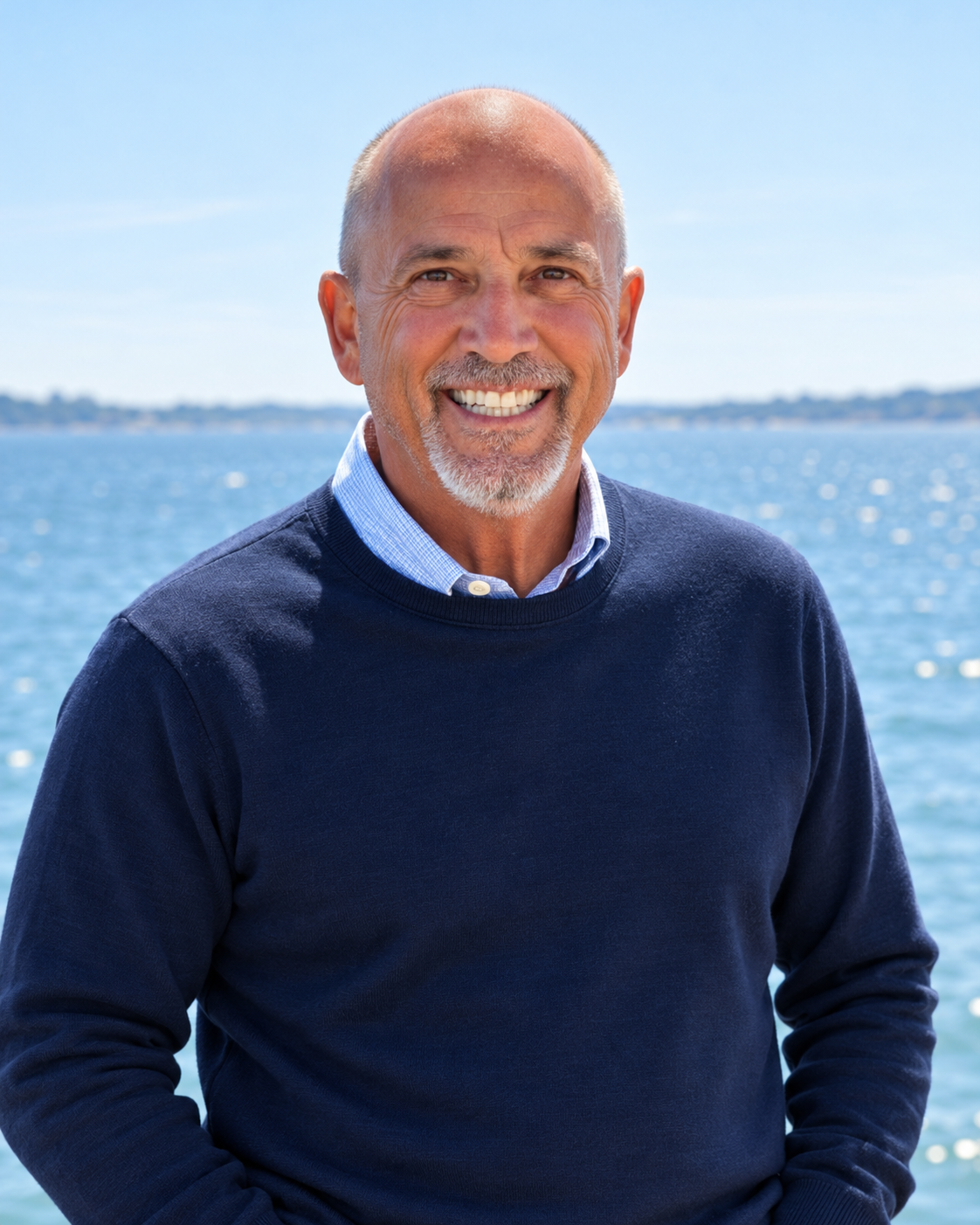
Jesse Tacoronte
A UPS Route, a Foreclosure Boom, and a Lesson From 2007.
Jesse Tacoronte started school without speaking English, in a Cuban household that set the bar high. He went from UPS driver to running a home services operation serving Home Depot stores, then co-founded an Orlando firm buying pre-foreclosures and foreclosures.
When 2007 hit, he took a personal loss. The leverage on those deals had been kept low relative to value, and every deal we consider is built around that same choice. He has raised capital from accredited investors through short-term notes before. Multifamily is a newer chapter; the discipline isn't.
Operations, investment analysis and tax, and property sourcing. Each partner brings a different lens to the deals we consider.
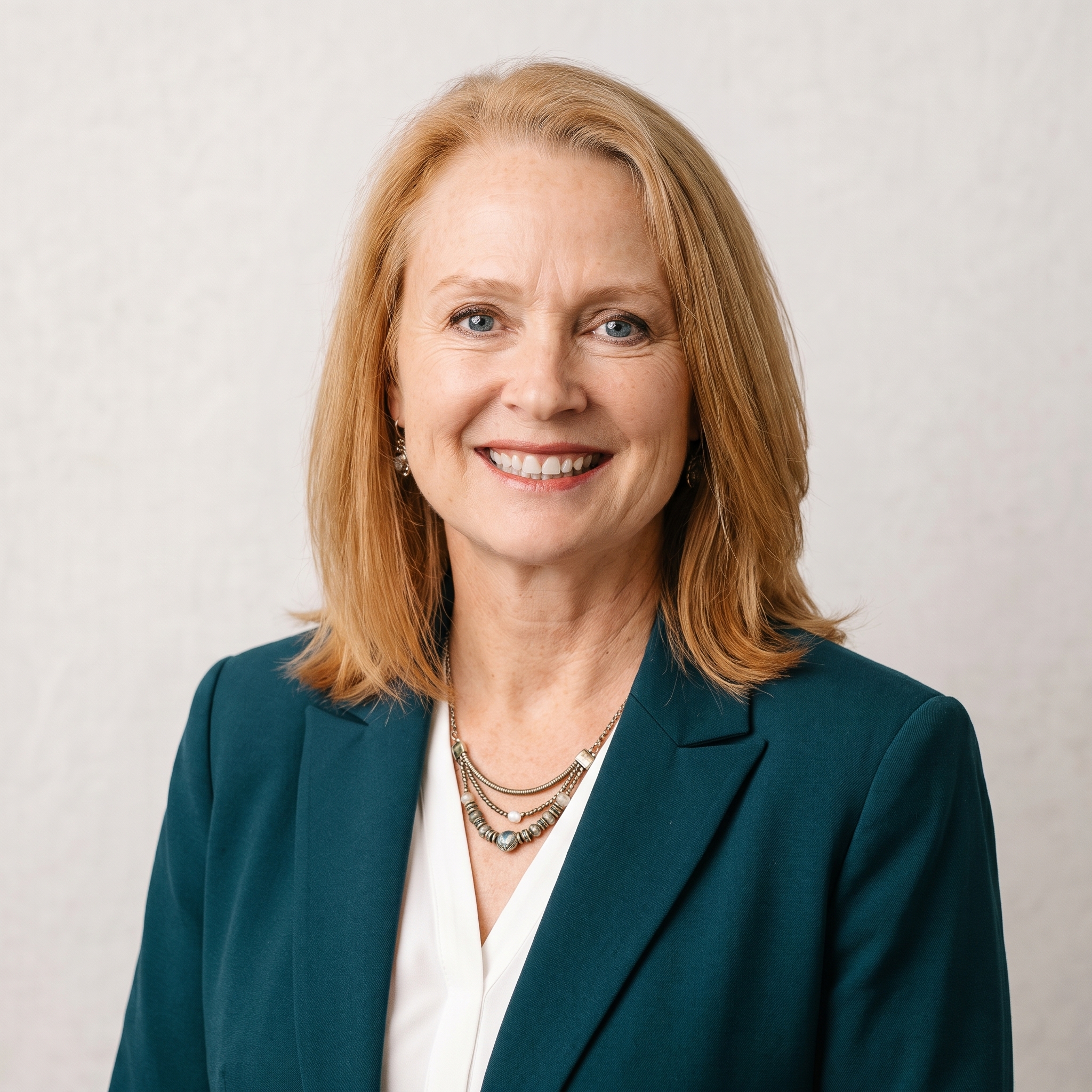
Sarah Bajc
Partner, Operations & Growth
Sarah's career spans several countries and companies in SaaS, hospitality, and marketing, including venture rounds, IPOs, and board seats. In real estate, she has flipped properties and run rentals in the US and overseas. At Legacy Liberty she leads operations, marketing, and administration. She studied at the University of Michigan.
Wade Marcoux
Partner, Investment & Tax Strategy
Wade leads investment analysis, deal screening, and tax strategy for the deals we consider. His career is in sales and growth: he has built client growth systems for hundreds of businesses in tax planning, real estate, and funding. He spent nearly six years as Chief Growth Officer at Netrevenue and is now VP of Client Strategy at Keystone CPA. He studied at Concordia University in Montreal.
Monica Gomez
Partner, Real Estate & Tax
Monica is a licensed South Florida real estate agent who leads property sourcing and deal flow. Her background spans real estate, capital partnerships, investment sales, and luxury hospitality, working directly with investors and high-net-worth clients. She has been a Global Real Estate Advisor with Sotheby's International Realty and a Capital Partnerships Manager at a residential and multifamily investment firm. She studied at Florida Atlantic University.
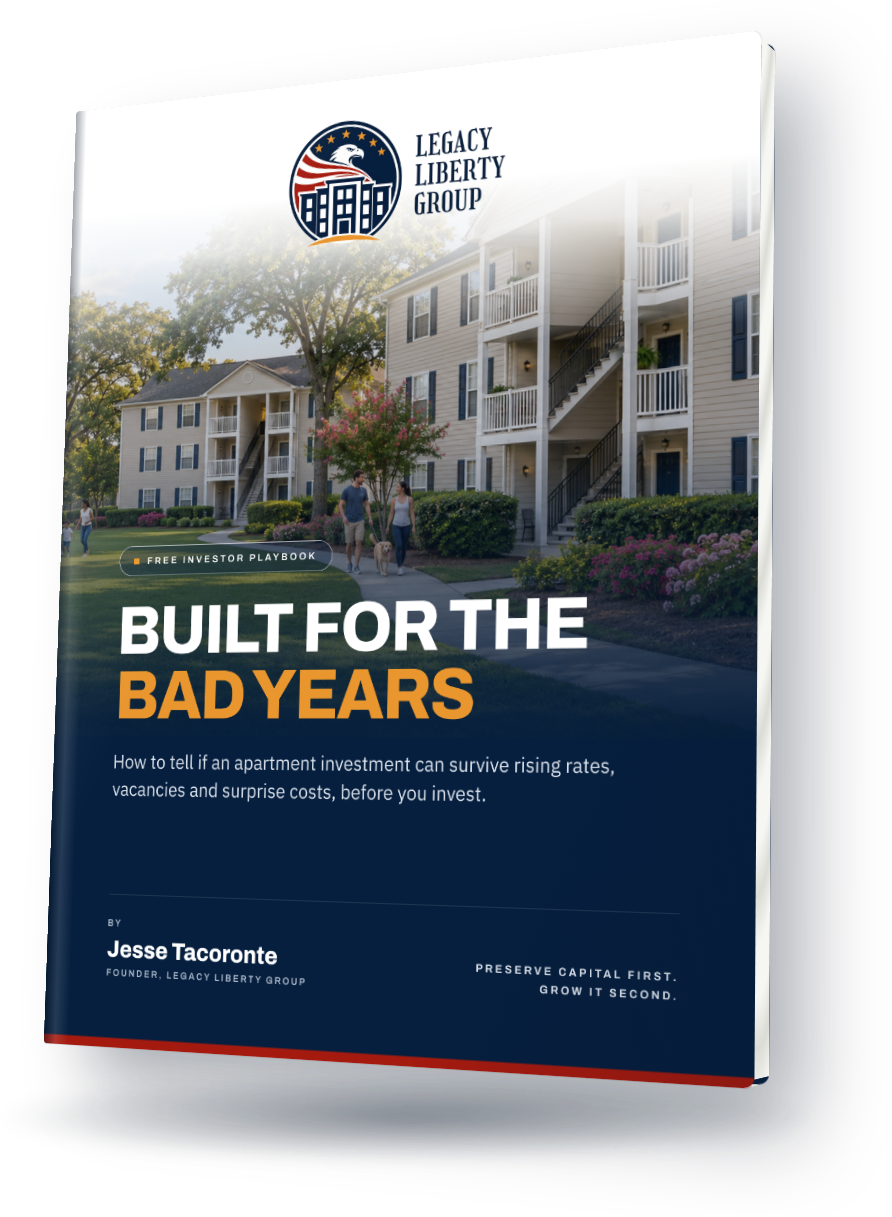
Free Investor Playbook
Built for the Bad Years: How to Tell If an Apartment Investment Can Survive Rising Rates, Vacancies and Surprise Costs
A plain-English playbook for investors: the stress tests Jesse runs before he commits, so you can run them on any deal.
Inside
How to read a rent roll and trailing numbers, and what the brochure leaves out
The expense lines that most often get underestimated
How to stress-test the loan: rates, coverage, and maturity
Reserves, exits, and what a useful investor update looks like
This playbook is educational. It is not an offer of any investment.
Free · PDF Playbook
Send Me the Playbook
We'll email it to you right away.
FAQs
Fair Questions, Plain Answers.
The questions experienced investors ask Jesse most, answered straight.
As Legacy Liberty Group, yes, and we'll always say so. We're a new company with experienced partners. Jesse has bought pre-foreclosures and foreclosures through an earlier firm and has raised capital from accredited investors through short-term notes.
Most of the investors we work with are accredited. If you're newer to this, start with the playbook and a conversation. Who can join a given deal depends on how it's offered, and that is set out in its official documents.
Amounts are discussed on a call, and every term is in the official documents. Most of our investors are accredited, and we're glad to talk with others who are interested.
Every property has a day-to-day management plan that our team oversees. Each deal's documents name who manages the property and how we hold them accountable.
Distributions, when there are any, come from the property's cash flow and later from a refinance or sale. How and when they're paid is set out in each deal's official documents.
Sponsors are usually paid through fees such as acquisition and asset management fees, plus a share of profits. Every fee for a deal is listed in its official documents, and we'll walk you through each one.
On a set schedule that each deal's documents spell out, with the numbers that matter and what we're watching. And right away if something important changes.
Apartment investments are long-term and hard to sell early. Plan on several years, until a refinance or sale. Each deal's expected hold is in its official documents.
No investment is. Tenants leave, rates rise, and expenses climb. We use sensible leverage, funded reserves, stress-tested loans, and more than one exit to limit that risk. But you could lose money.
We plan for it before we buy: funded reserves, a loan that works at stressed rates, and more than one way out. In a bad year, distributions may be cut or paused, and we'll tell you why and what we're doing about it.
Each year you receive a Schedule K-1 that reports your share of the property's income, deductions, and depreciation. How it affects you depends on your situation, so talk with your own tax advisor.
Sensible, not maximum. The loan has to work at stressed rates, not just today's. Specific terms are shared only in a deal's official documents.
Many units under one roof spread the income, and day-to-day operations give us levers we control. We buy when a deal works on today's numbers, not on market timing.